
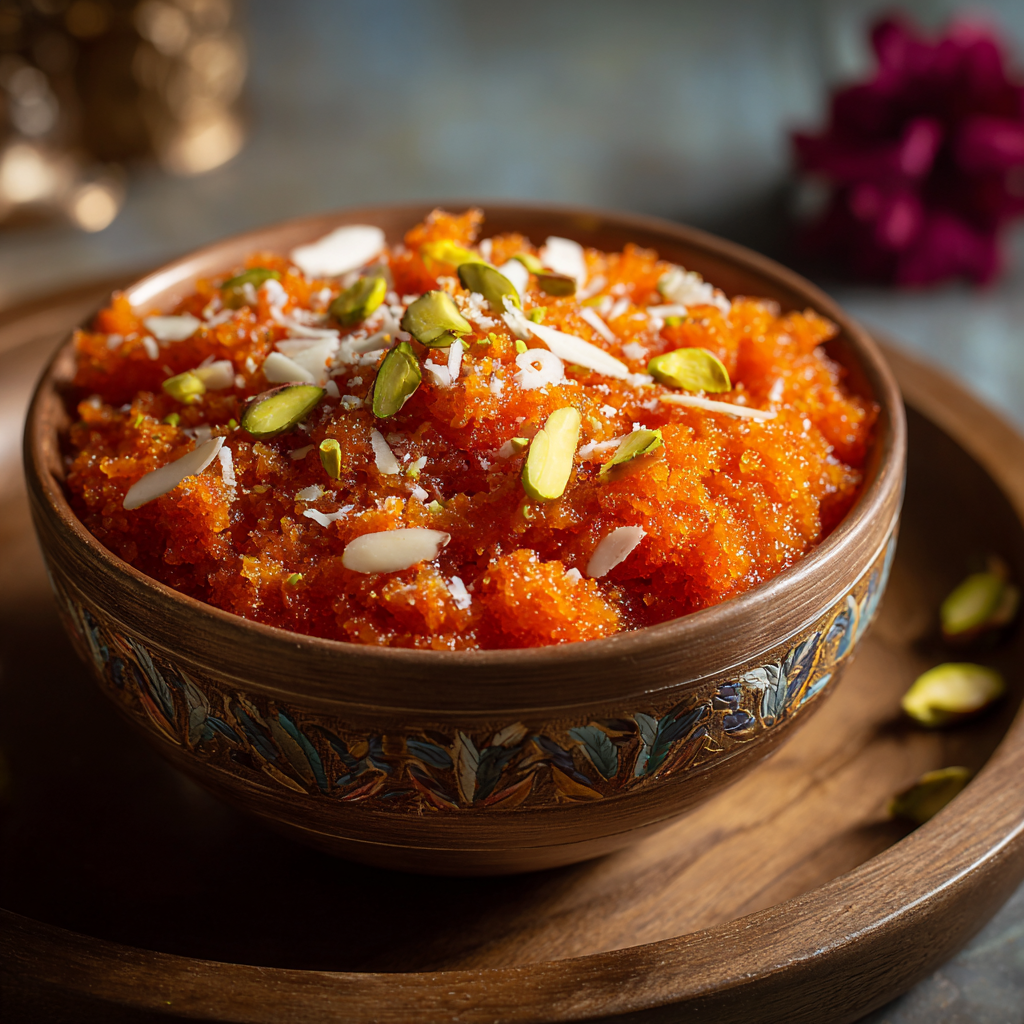
Ever experienced euphoria? In the realm of chilly winters, there’s something that takes you to heaven. It is like a silent poetry in the misty mornings, the cozy memoir in the evenings. Navigating through the soft clink of tea cups, its aroma rules every lane nook and corners. Grab a bowl of Gajar ka Halwa to experience what euphoria actually is.
Some whispers from the kitchen, followed by an unforgettable fragrance of ghee melting into grated carrots, it all feels so lively. The symphony of tradition lies in Gajar ka halwa recipe. In this blog we will celebrate this sacred ritual. Let’s see what makes it so special that you can’t stop saying “Bas ek aur spoon please!”
From Royal Kitchens to Your Plate
The origins of gajar ka halwa can be traced to the Mughal kitchens, where chefs transformed ordinary carrots into a royal delicacy. Over the centuries it has evolved from a court delicacy to a winter custom in homes, specially in areas like Punjab, Delhi, and Uttar Pradesh. The best part is it blooms with the winter, a season when carrots grow sweetest and every bite truly feels like a hug against the cold weather.
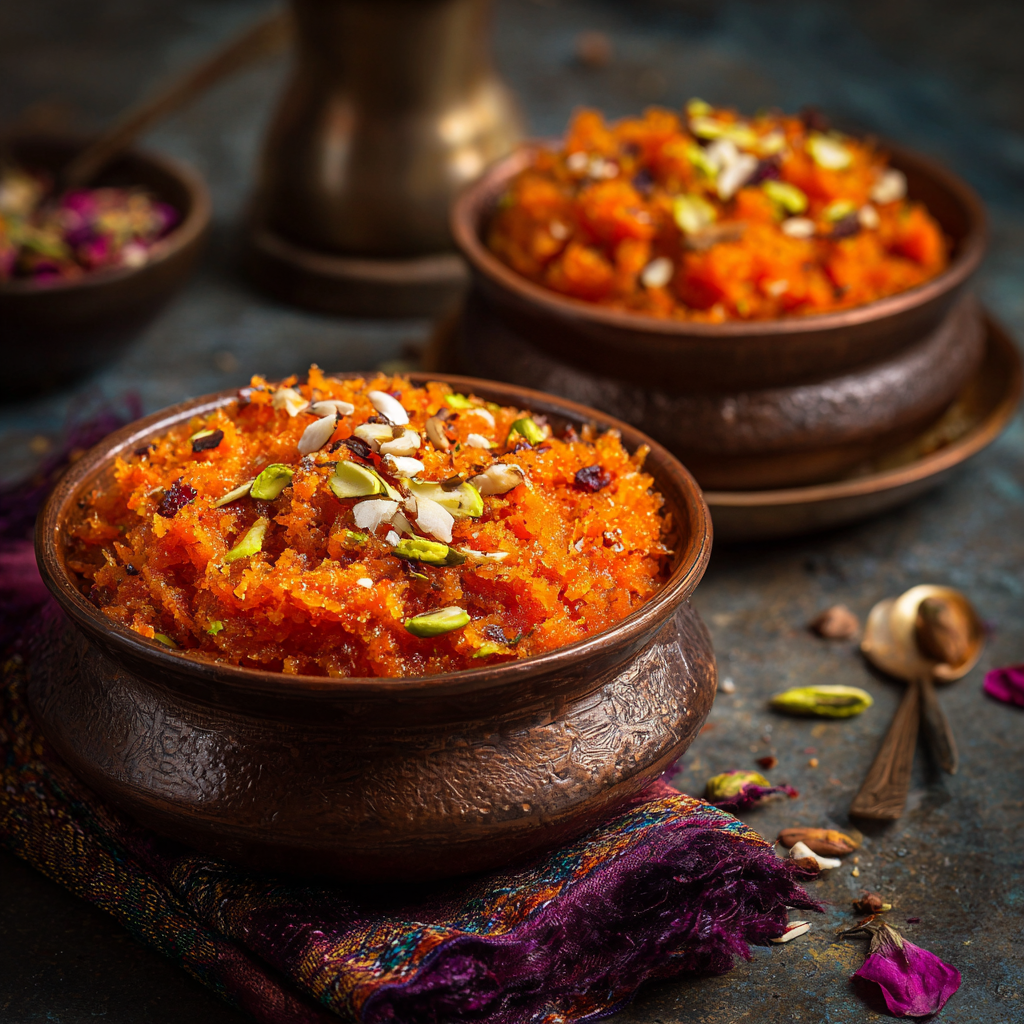
This winter bliss is known for its balance and the combination:
- Pure Ghee for Strength
- Fresh Milk for Purity
- Sugar For Mood
- Carrots for vitality
It is everyone’s favorite dessert that feeds both heart and health.
The Classic Red Carrot Halwa: Tradition on a Plate
Its symphony started long back with brass handis bubbling on the stove, mothers and grandparents stirring the halwa enjoying the rhythmic devotion. Do you know how authentic red carrot halwa looks? It is aromatic, glossy, tender, and unapologetically rich in its purest form.
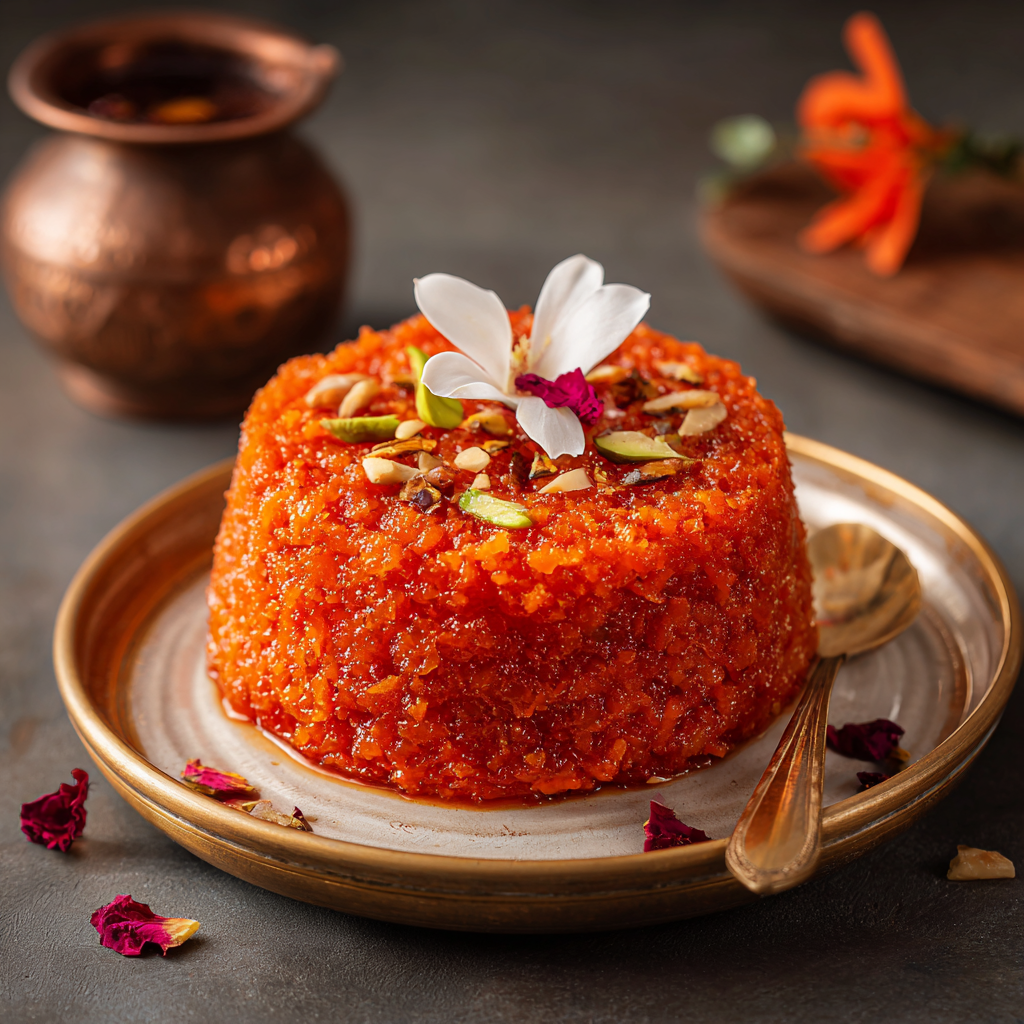
It is made from the crimson jewels of winter, which are carrots that are naturally sweet and colorful. With roasted cashews, slow-cooked milk, and a touch of cardamom, this dessert unites flavor and family in a way that no other dessert can.
Traditional Red Carrot Halwa Recipe
Ingredients
- 8 to 9 red carrots (medium-sized or about 650 grams),
- 4 cups of full-fat milk
- 4 tablespoons of pure ghee (clarified butter)
- 10 to 12 tablespoons of sugar (according to taste)
- ½ to 1 teaspoon of cardamom powder
- 10 to 12 chopped cashews
- 10 to 12 sliced almonds
- 2 tablespoons of golden raisins
- A pinch of saffron strands
Instructions
- Wash and rinse carrots. Peel and grate them finely with the help of a grater.
- Take a kadai, put some ghee in it.
- Add grated carrots in it and cook until fragrant.
- Add full fat milk and mix it well.
- Cover the lid and boil the mixture on medium heat. Simmer it on a low flame.
- Stir occasionally to prevent burning.
- Cook it until the milk reduces by 75% and the carrots get softer. It may take 45 minutes to 1 hour.
- Add pure ghee, sugar as per taste, and cardamom powder for flavor to the mixture. Stir well.
- Stir the mixture until thick and you get a pudding-like texture.
- In a separate small pan, roast dry fruits in a little ghee until you get golden color.
- Add the roasted dry fruits to the halwa. Mix and cook for 5 more minutes.
- Add saffron strands.
- Serve it hot, garnished with extra nuts, kesar and some khoya.
Black Carrot Halwa: For the Health-Conscious Sweet Tooth
How about making this symphony more healthy? To make it more healthy and nutritious you can use the black carrot. It is darker, deeper, and richer in nutrients when compared to ordinary red carrots. Its beautiful royal purple hue and unforgettable intense aroma makes it a special winter ingredient. Surprisingly, this modern version of Carrot halwa is rewriting tradition with one antioxidant at a time.
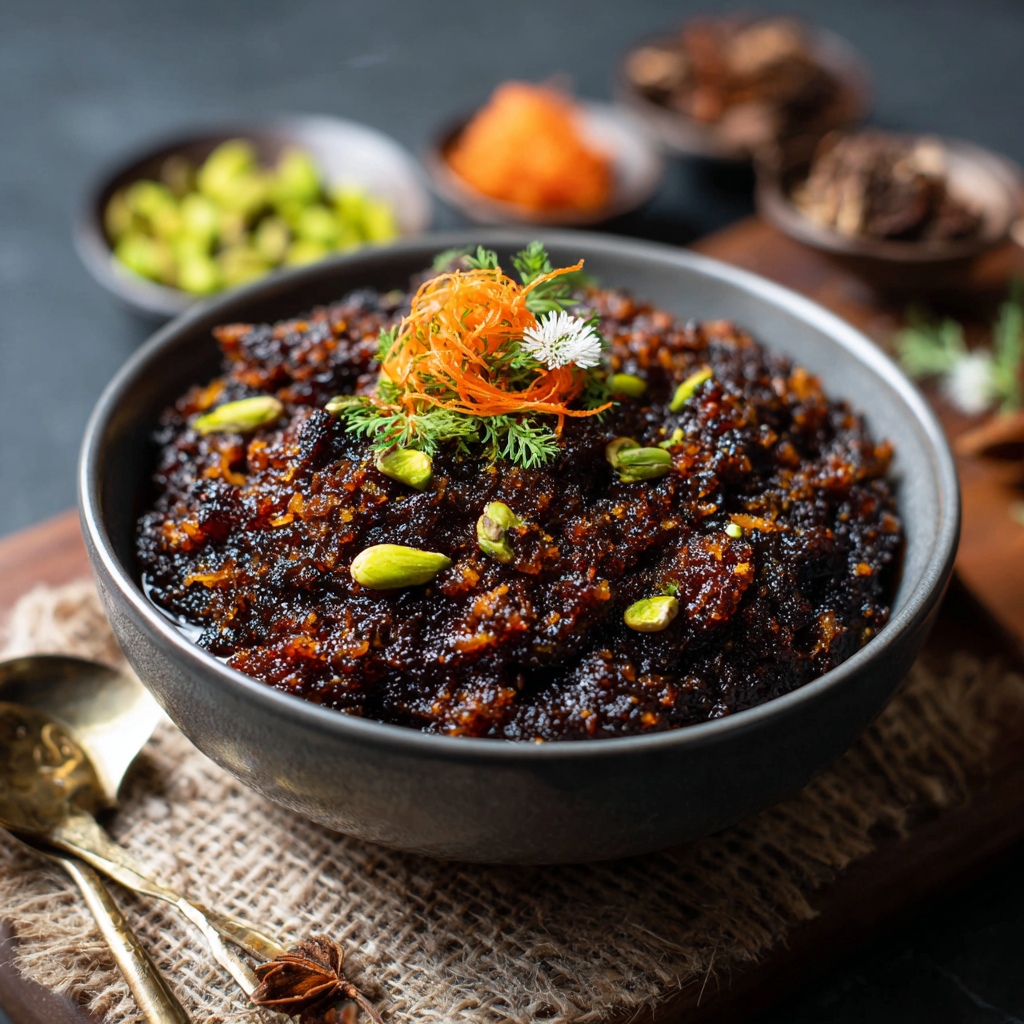
Black carrots are packed with the goodness of anthocyanins. It supports heart health, boosts immunity, and slows aging. For those who are calorie conscious but still crave for sweetness, it is no less than a winter blessing.
What makes this kali Gajar ka halwa so different? It is jet-purple in color, cooked with almond milk, sweetened with jaggery or desi khaand, and topped with slivered or golden almonds. It is not always about indulgence, sometimes it is about nutritional satisfaction. If you are a gym enthusiast, diabetes What makes this kali Gajar ka halwa so different? It is jet-purple in color, cooked with almond milk, sweetened with jaggery or desi khaand, and topped with slivered or golden almonds. It is not always about indulgence, sometimes it is about nutritional satisfaction. If you are a gym enthusiast, diabetes patient, fitness freak who is obsessed with calorie-counts, it is your go to dessert. Let’s have a look at this black carrot halwa recipe.
Black Carrot Halwa Recipe (Diet-Conscious & Nutrient-Rich)
Ingredients
- 8 to 9 peeled and grated black carrots
- 3 cups of fresh almond milk (you can also opt for any plant-based milk for a vegan option)
- 3 tablespoons of pure ghee (coconut oil for vegan version)
- 6 to 8 tablespoons of jaggery powder (or coconut sugar instead refined sugar)
- ½ or 1 teaspoon of cardamom powder
- 10 finely chopped walnuts, cashews and almonds
- 2 tablespoons of raisins
- 1 tablespoon of chia seeds (for extra fiber)
- 1 tablespoon of flaxseeds (omega-3)
- Optional: 1 teaspoon protein powder (for gym-friendly boost)
Instructions
- Properly peel the black carrots and grate them finely.
- In a pan with heavy-bottom, cook grated carrots until fragrant.
- Add almond milk in it and bring to a boil. Let it simmer on low heat. Stir occasionally to prevent burning.
- Cook for about 40-50 minutes till the almond milk is mostly absorbed, and carrots get softened.
- Add pure ghee or coconut oil in it along with jaggery powder or khaand. Stir & Mix well.
- Add cardamom powder, chopped nuts, raisins, and chia or flaxseeds and protein powder if using. Mix it and cook for another 5 minutes until thick.
- Turn off the flame and serve it hot.
The Sweet Tug-of-War: Tradition Meets Transformation
Let’s have a look at the table:
| Aspect | Red Carrot Halwa | Black Carrot Halwa |
| Color | Bright Red & Slightly Orange | Deep purple-black |
| Texture | Rich & Creamy | Earthy & Dense |
| Taste | Sweet & Buttery | Nutty & Slightly Tangy |
| Caloric Value | Moderate-to-high | Comparatively lower |
| Ideal For | Families, festive supplies | Fitness lovers, diabetics |
| Nutrients | Beta carotene, vitamin A | Anthocyanins, antioxidants |
As you can see both versions shine with their own purpose. Red carrot halwa sings of nostalgia and comfort on another hand the black carrot halwa hums of innovation and well-being. Together, they make a perfect winter duet.
A Cultural Connection – From Lohri to Corporate Brunches
From flaming Lohri bonfires to sophisticated business brunches, Gajar ka Halwa has smoothly transitioned across generations and now it is just everywhere. It’s a sentimental custom rather than an ordinary winter dessert. In chilly cold winters, it becomes the mostly preferred comfort food that people love to share with their guests, coworkers, and neighbors alike.
It reflects the essence of warmth and prosperity in weddings. It also sweetens new beginnings during Lohri. It is no less than a spoonful of nostalgia that is passed from one home to another. It frequently finds its way into gifting customs. These days, it can be found on wellness and fusion menus in addition to traditional thalis, serving as a reminder that some flavors will always taste familiar no matter how modern life gets.
The Last Spoonful – A Symphony of Warmth
For every winter lover Gajar ka halwa is an emotion dressed in saffron’s flavor and natural sweetness. It can be made from both scarlet red carrots or enigmatic black ones. In both versions its essence remains intact. It not only brings people closer but also warms conversations.
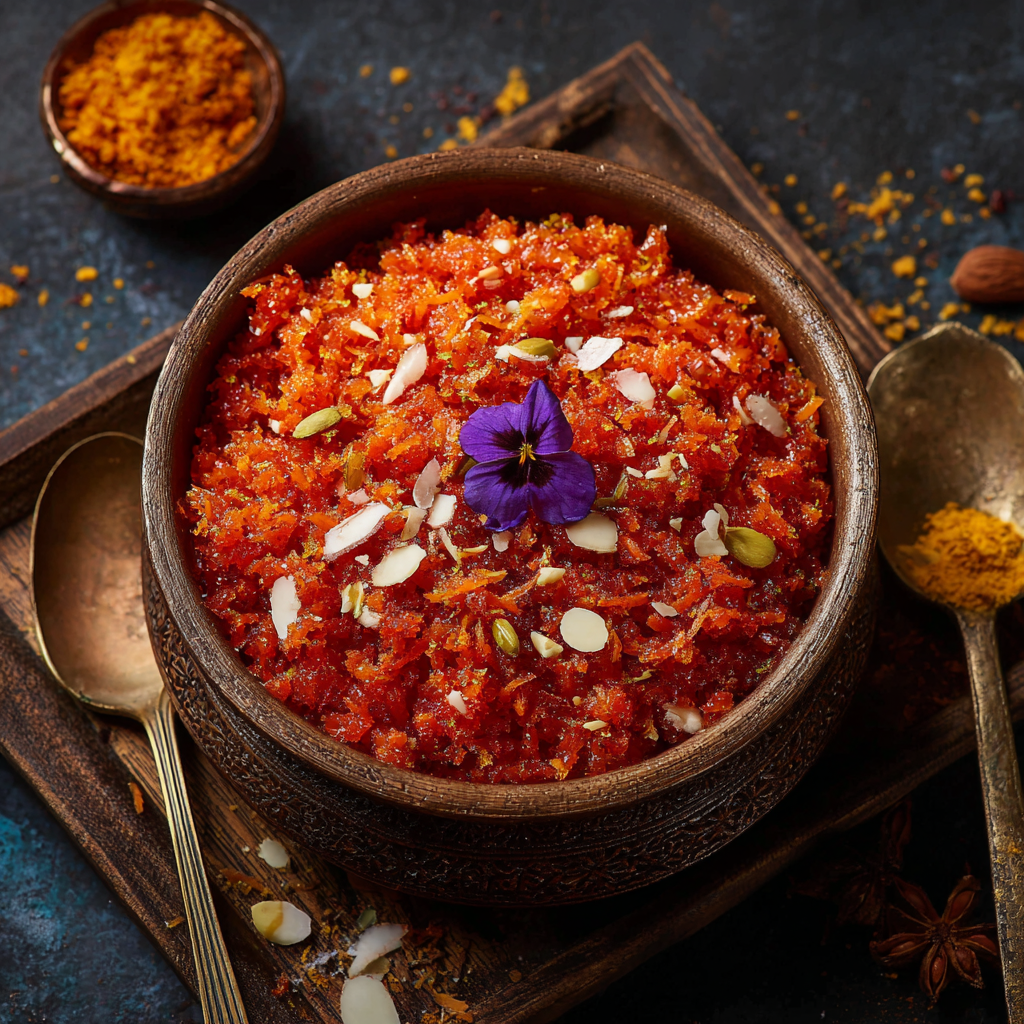
This sweet symphony sweetens even the iciest winter mornings. So foodies, relish the old, embrace the new, and let every single bite remind you that life is best enjoyed with a bowl of halwa in winters. Afterall, in India, winter doesn’t arrive with a calendar date. They arrive with a spoon full of ghee-dripping Gajar ka Halwa.